

Choosing the best Bible translation in 2025 can feel confusing with so many options available. Each version has its own style and purpose. Some focus on word-for-word accuracy, while others make reading easier and more modern. The right one depends on your reading level and spiritual goals.
Before picking, think about what you need from your Bible. Do you want something simple to understand or more traditional? Try reading a few verses from different translations. The one that speaks clearly to your heart is the best Bible for you.
Understanding Bible Versions: A Guide to Modern Translations
The Bible has been translated into numerous English versions, each offering a unique approach to conveying God’s Word. Whether you’re a new believer or a seasoned student of Scripture, choosing the right translation can deepen your understanding and connection with the biblical text.
Why So Many Bible Versions?
The existence of multiple Bible translations isn’t about creating confusion; it’s about making Scripture accessible to everyone. Language evolves constantly, and words that resonated with readers centuries ago may not carry the same meaning today. Each translation serves a specific purpose, balancing scholarly accuracy with readability to meet different spiritual and educational needs.
The Translation Philosophy Spectrum
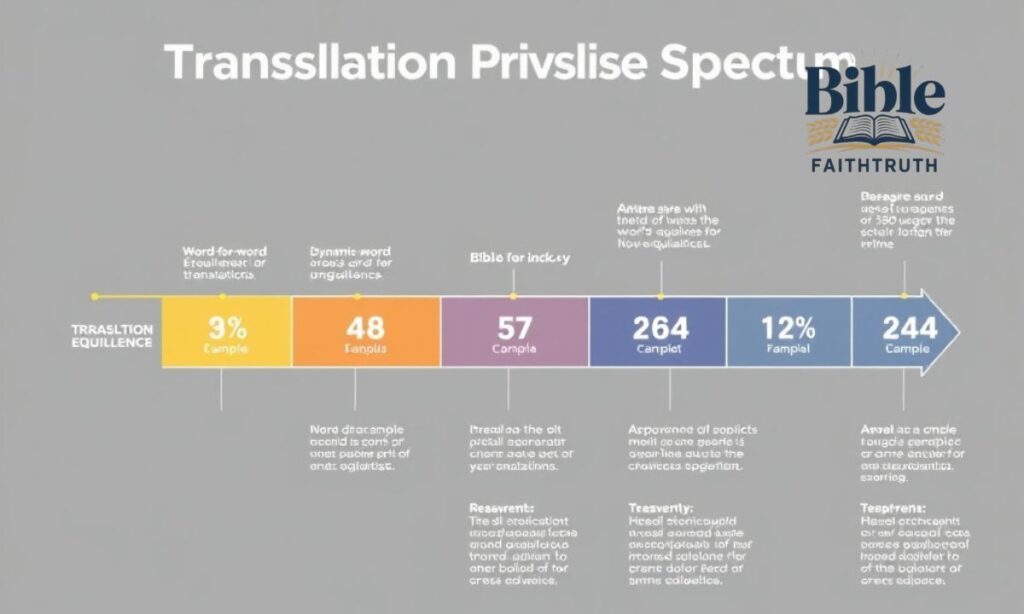
Bible versions generally fall along a spectrum between two translation approaches. On one end, you have formal equivalence (word-for-word translation), which prioritizes staying as close as possible to the original Hebrew, Aramaic, and Greek texts. On the other end, dynamic equivalence (thought-for-thought) focuses on conveying the intended meaning in contemporary language. Understanding where your preferred version sits on this spectrum helps you choose the right Bible for your study or devotional time.
Popular Bible Versions and Their Strengths
NIV (New International Version): Strikes a beautiful balance between accuracy and readability, making it ideal for both personal study and public reading. Its contemporary language feels natural without sacrificing scholarly precision.
KJV (King James Version): The majestic language of this 1611 translation has shaped English literature and Christian worship for over four centuries. While its archaic phrasing requires adjustment, many believers treasure its poetic beauty and historical significance.
NKJV (New King James Version): Preserves the traditional feel of the KJV while updating the language for modern readers. It’s perfect for those who love the classic style but want clearer understanding.
NRSVUE (New Revised Standard Version Updated Edition): Highly regarded in academic circles for its meticulous scholarship and inclusive language. This version excels in study settings where precise translation matters most.
ESV (English Standard Version): Emphasizes word-for-word accuracy while maintaining readability. Popular among those who want to dig deep into the original meaning of Scripture.
NASB (New American Standard Bible): Known for its rigorous literal translation, this version is a favorite among serious Bible students who want to get as close as possible to the original manuscripts.
NABRE (New American Bible Revised Edition): The official Catholic translation in the United States, featuring extensive notes and commentary that provide valuable historical and cultural context.
CSB (Christian Standard Bible): Uses optimal equivalence, aiming for both accuracy and clarity. It’s gaining popularity for its fresh, understandable language that doesn’t sacrifice precision.
NLT (New Living Translation): Focuses on clear, natural English that captures the meaning behind the original text. Excellent for devotional reading and for those new to Bible study.
CEB (Common English Bible): Uses everyday language that connects with contemporary readers. Particularly effective for helping people understand biblical concepts without theological jargon.
AMP (Amplified Bible): Expands the text with brackets and synonyms to bring out shades of meaning from the original languages. Perfect for in-depth word studies.
MSG (The Message): A paraphrase that reads like contemporary literature, bringing biblical stories and teachings to life with vivid, modern language. Best used alongside more literal translations for devotional inspiration.
Choosing Your Bible Translation
The best Bible version is ultimately the one you’ll actually read. Consider starting with a balanced translation like the NIV or CSB for general reading, while keeping a more literal version like the ESV or NASB handy for detailed study. Many believers benefit from reading the same passage in multiple translations, gaining fresh insights as different versions illuminate various aspects of the text. Your spiritual journey is personal, and your Bible should feel like a trusted companion along the way.
Frequently Asked Questions
What factors should I consider when picking a Bible translation?
Look for readability, accuracy, and how easily you understand the message.
Which translation is best for daily reading?
The NIV and NLT are great for everyday reading because they’re clear and modern.
What version is closest to the original text?
The ESV and NASB are known for staying close to the original Hebrew and Greek.
Which Bible is easiest for beginners?
The NLT and CEB use simple language, perfect for those new to Bible reading.
What translation is best for deep Bible study?
The ESV and NASB are ideal for detailed study and accuracy.
Is it okay to use more than one Bible version?
Yes, comparing different versions helps you understand Scripture better.
Which version is good for memorizing verses?
The KJV and ESV are often used because of their poetic and memorable wording.
What’s the most popular Bible version today?
The NIV remains one of the most widely read and trusted versions worldwide.
Which translation fits church use best?
The ESV, NIV, and NKJV are commonly used in worship and teaching.
How do I find the right translation for me?
Read a few verses from different versions and choose the one that speaks clearly to your heart.
Conclusion
Choosing the right Bible translation in 2025 is all about what helps you grow in faith. Each version has its own beauty and purpose. Some are simple to read, while others keep the original words closer. Take time to explore a few and see which one speaks to you the most.
Your perfect Bible is the one that helps you understand God’s Word clearly. Whether it’s the NIV, ESV, or another version, focus on what draws you closer to Him. The best translation is the one that inspires your heart and strengthens your walk with God.


Leave a Reply